
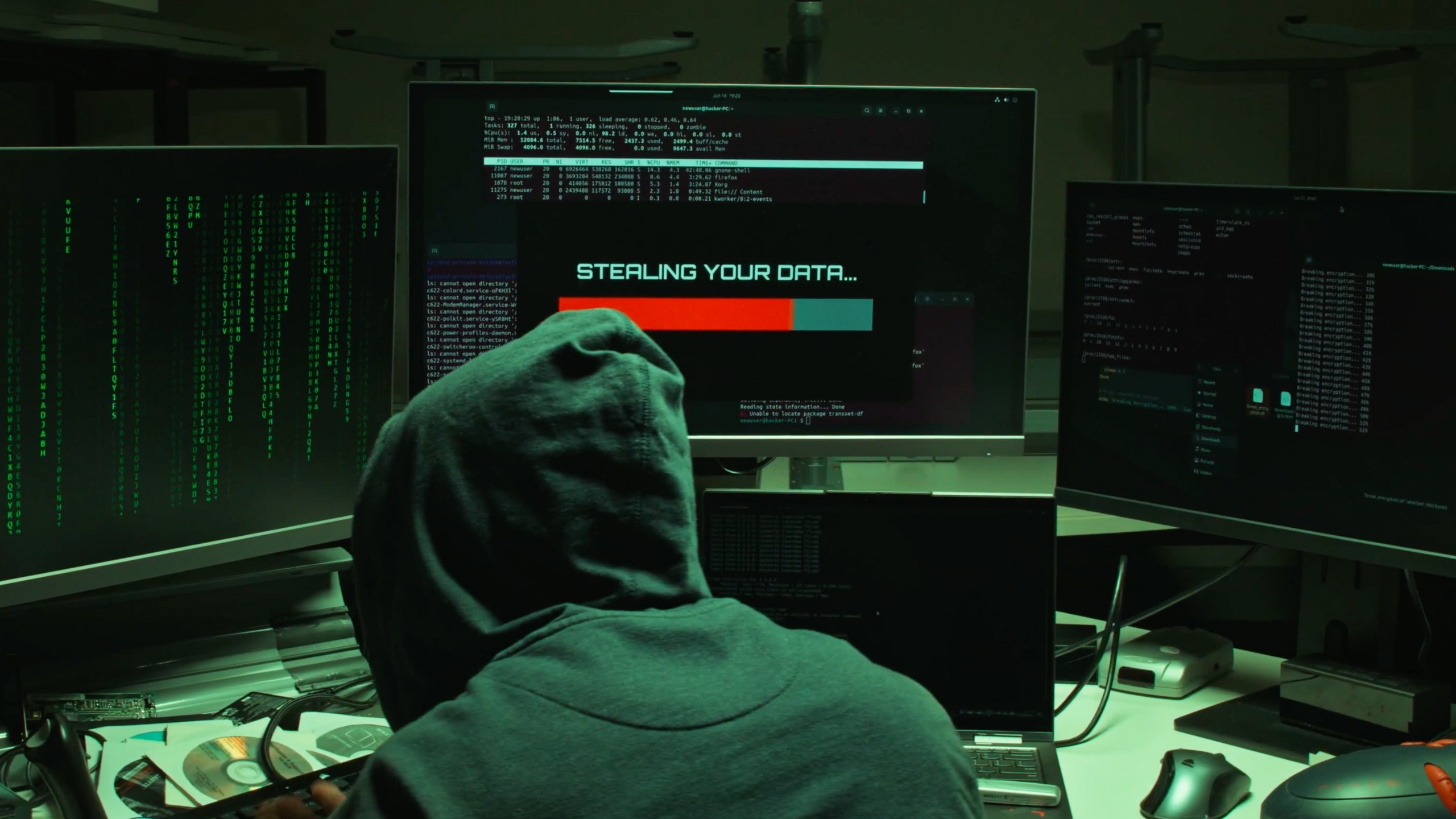
In today’s digital landscape, businesses are more connected than ever, but with that connectivity comes an increased risk of cyberattacks. From data breaches to ransomware, the threats to your business can be devastating—and costly. Is your business prepared to defend against these cyber threats, or are you unknowingly leaving your IT doors wide open? Here are five critical signs that your business needs to tighten its IT security before it’s too late.
1. Outdated Software
Using outdated software is like leaving the front door of your business unlocked. Cybercriminals often exploit vulnerabilities in outdated systems to gain access to sensitive data. If your software is past its prime, it no longer receives vital security patches, making it easier for hackers to break in.
Why It’s a Problem:
Without the latest updates, your systems are exposed to known security flaws, leaving your entire network vulnerable. These security patches are essential to defend against malware, viruses, and other cyber threats.
Solution:
Regularly update your software to ensure you’re benefiting from the latest security measures. Automated updates and patch management tools can help ensure you don’t miss any critical updates.
2. No 2-Factor Authentication (2FA)
Relying on just a password to secure your sensitive information is no longer enough. Cybercriminals are becoming more sophisticated, and with tactics like phishing, even the most complex passwords can be cracked.
Why It’s a Problem:
Without 2FA, a hacker who obtains an employee’s login credentials can easily access your entire system. This increases the likelihood of data breaches, fraud, and unauthorised access to sensitive information.
Solution:
Implement 2-factor authentication across all critical business applications. 2FA adds an extra layer of protection by requiring a second verification step, such as a code sent to a mobile device or fingerprint authentication. It’s a simple yet effective way to safeguard your accounts.
3. Employees Using Weak Passwords Like ‘Password123’
It might seem shocking, but weak passwords are still one of the leading causes of data breaches. If your employees are using easily guessed passwords like “password123” or “admin,” it’s only a matter of time before your business is compromised.
Why It’s a Problem:
Weak passwords make it easier for cybercriminals to gain unauthorised access to accounts, especially when used across multiple systems or applications. With the rise of automated attacks, weak passwords are an open invitation for hackers.
Solution:
Establish strong password policies, requiring complex passwords that combine letters, numbers, and special characters. Consider using a password manager to help employees generate and store secure passwords. Regular password changes and avoiding password reuse across different accounts are also critical.
4. Unencrypted Data Storage
Storing sensitive information—such as client data, financial details, or employee records—without encryption is one of the biggest risks you can take in business. If a hacker gains access to unencrypted data, they can read and use it immediately.
Why It’s a Problem:
Unencrypted data is easy for hackers to steal and exploit. Whether it’s customer payment details or internal company records, failing to encrypt this data means that if it’s compromised, there’s nothing stopping the hacker from accessing it.
Solution:
Ensure all sensitive data is encrypted both at rest (when stored) and in transit (when being transmitted across networks). Encryption makes data unreadable to unauthorised users, even if they manage to access it. Consider using encryption tools and services to protect your data effectively.
5. Infrequent Security Updates
Infrequent security updates—or worse, ignoring them altogether—puts your business at serious risk. Cybercriminals are always evolving their methods, and regular security updates are necessary to stay ahead of new threats.
Why It’s a Problem:
Without consistent updates, your systems are vulnerable to emerging threats, as they lack the latest defences. Hackers specifically target businesses that fail to update their software, knowing they’ll have outdated security protocols.
Solution:
Make regular security updates part of your IT maintenance routine. Set automated reminders or use managed IT services to ensure updates are installed as soon as they’re released. This includes not just software updates, but also updates to firewalls, antivirus programs, and network systems.
Don’t Wait Until It’s Too Late!
If any of these signs are hitting close to home, your business might already be at risk. Cyberattacks are becoming more sophisticated, and the longer you wait to address these issues, the more vulnerable your business becomes.
At Computers Unplugged, we specialise in fortifying businesses against cyber threats by securing IT ecosystems, managing software updates, and implementing advanced security measures like encryption and 2FA. Your data deserves better—let us help you protect it before it’s too late.
Get in touch today to learn how we can safeguard your business and implement the IT security solutions you need to thrive in the digital age. Don’t let cybercriminals exploit your vulnerabilities—secure your IT environment and sleep easier at night.
Tone 2: (More punny) 5 Signs Your Business Needs IT Security ASAP
In today’s digital world, keeping your business safe from cyberattacks is like trying to keep your snacks safe from the office fridge thief—it’s tricky, but totally doable with the right precautions. So, how do you know if your business is leaving the door wide open for hackers and tech disasters? Here are 5 signs your IT security needs some serious love before things get scary.
1. Outdated Software (AKA: Running on Fossils)
Still using that software from 2010? Yikes. Having outdated software is like using a flip phone in 2024—it’s not just ancient, it’s a cybercriminal’s dream come true. Old software stops getting security patches, which means hackers can stroll right in.
Why It’s Bad:
Without the latest updates, you’re basically holding up a neon sign that says, “Hey hackers, come party over here!” Vulnerabilities in outdated software are well-known, making it an easy target.
Quick Fix:
Update, update, update! Set up automatic updates to stay ahead of the bad guys and ensure your systems have the latest security patches.
2. No 2-Factor Authentication (Because Passwords Alone Won’t Save You)
If your business is relying on just a password for security, we’ve got news for you—cybercriminals are laughing all the way to your data. Phishing attacks are getting sneakier, and even strong passwords can be cracked faster than you’d think.
Why It’s Bad:
Without 2FA (that’s 2-Factor Authentication for those not in the know), hackers only need one thing—your password—to get into your accounts. Once they’re in, it’s game over.
Quick Fix:
Set up 2FA across the board. It’s easy: after entering a password, you confirm your identity with a second step, like a code sent to your phone. It’s like a double-lock on your door—easy for you, tough for hackers.
3. Employees Using Weak Passwords Like ‘Password123’ (Yes, This Is Still a Thing)
We hate to break it to you, but if your employees are using “password123,” you’re in trouble. Weak passwords are the digital equivalent of leaving your house keys under the welcome mat—it’s convenient for you, but also super convenient for anyone looking to break in.
Why It’s Bad:
Weak passwords are the first thing hackers try, and believe us, they’ve got it down to an art. Once they crack one, they’ll run through all your accounts like a kid in a candy store.
Quick Fix:
Make strong passwords a thing! Use a mix of letters, numbers, and symbols (and for the love of all things digital, avoid ‘123’ or ‘password’). Better yet, get a password manager so your team doesn’t have to remember them all.
4. Unencrypted Data Storage (AKA: Leaving Your Data Out in the Open)
Are you storing sensitive data without encryption? That’s like leaving your valuables in plain sight with a sign that says, “Free for the taking!” If someone gets into your system, unencrypted data is as good as gone.
Why It’s Bad:
Unencrypted data means that if a hacker gets access to your system, they can see, steal, and use everything. Think customer details, financial data, and confidential info—poof, gone.
Quick Fix:
Encrypt. Everything. This makes your data unreadable to unauthorised users, even if they do manage to break in. It’s like turning your data into a secret code—only the right people can read it.
5. Infrequent Security Updates (Because Cybercriminals Never Sleep)
If your security updates are more “whenever we remember” than “on the dot,” it’s time for a change. Hackers are always evolving, and so should your security. Delaying those updates is like waiting to fix a leaky roof—sure, it’ll be fine for a while, but eventually, it’s going to pour.
Why It’s Bad:
Without regular updates, you’re running with outdated defences, and hackers love outdated defences. Every security update is like adding a new lock to your door—and who doesn’t want more locks?
Quick Fix:
Make updates part of your regular IT routine. Set up automatic updates so you never miss a beat, or get an IT service (like us!) to handle it all for you.
Don’t Wait for the Horror Show!
If any of these signs sound familiar, your IT security might already be on shaky ground. And we all know what happens when you ignore the warning signs—it’s like hearing creepy noises in a horror movie and still deciding to “check out the basement.” 😱
Don’t wait for your business to star in its own IT horror story. At Computers Unplugged, we’ve got everything you need to protect your business from cyber-villains. We’ll help secure your systems, manage your updates, and keep your data locked up tighter than Fort Knox.
Ready to exorcise those tech demons?
Get in touch today to learn how we can get your IT security game on point. Trust us—your data deserves better than ‘password123.’